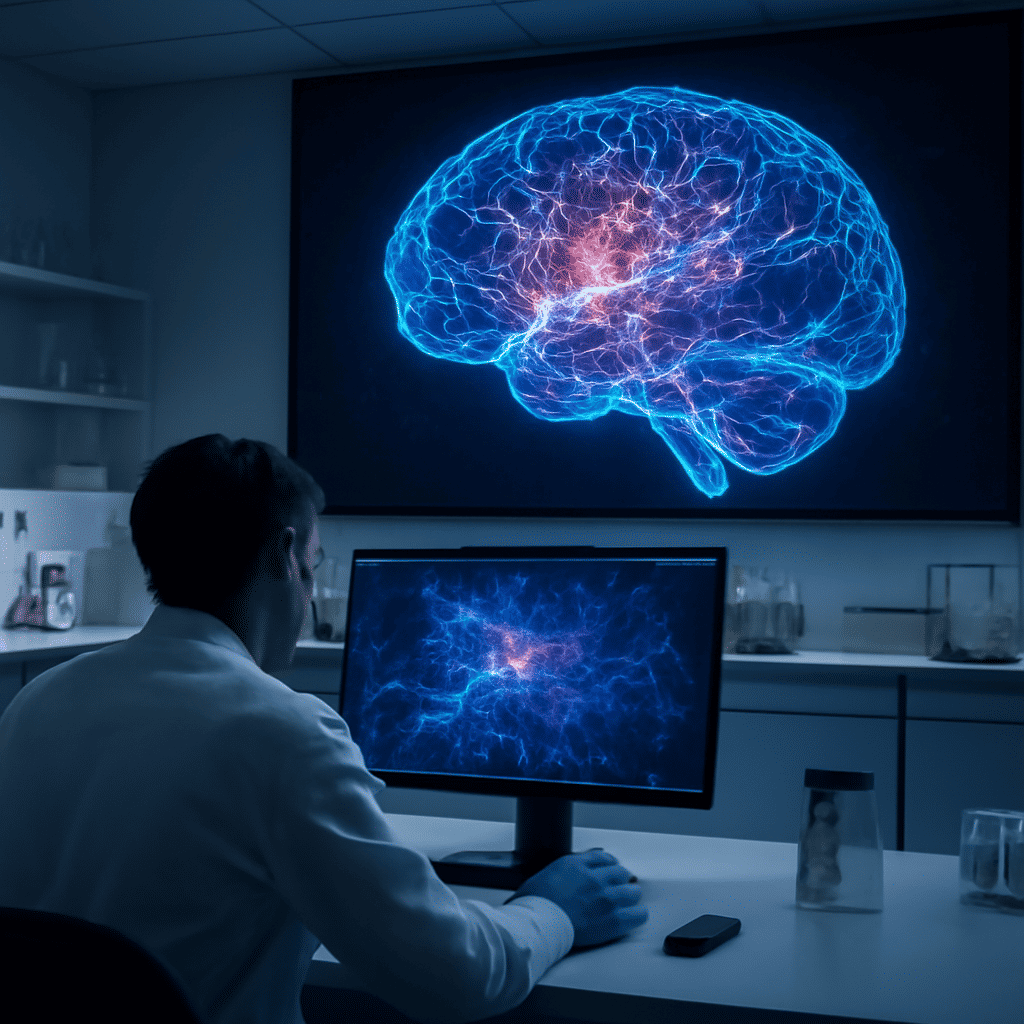
In recent years, the field of neuroscience has made remarkable strides, ushering in an era where optimizing brain functions is no longer a distant dream but an emerging reality. These breakthroughs are not only expanding our understanding of the brain's capabilities but also creating transformative pathways in the realm of mental health. This article delves into some of the most exciting advancements and explores how they are poised to revolutionize how we approach mental health challenges.
One of the most significant innovations comes in the form of advanced neuroimaging technologies. Techniques such as functional magnetic resonance imaging (fMRI) and positron emission tomography (PET) have been instrumental in mapping brain activity with unprecedented precision. By observing how different areas of the brain interact, researchers can now better understand disorders such as depression, anxiety, and schizophrenia. These insights have allowed for the development of targeted treatments that focus on specific neural circuits, offering more effective interventions with fewer side effects.
Artificial intelligence (AI) and machine learning are also playing a pivotal role in neuroscience research. Predictive algorithms are being developed to analyze vast amounts of neural data, identifying patterns that may be indicative of mental health conditions long before they manifest clinically. This proactive approach opens the door to early intervention strategies, potentially preventing the onset of more severe symptoms.
Moreover, brain-computer interface (BCI) technology is transforming how we rehabilitate and support individuals with neurological disorders. BCIs allow for direct communication between the brain and external devices, empowering patients to regain control over lost functions. For example, stroke survivors can utilize BCIs to restore motor skills, while individuals with severe social anxiety might use virtual reality environments to practice social interactions in a controlled, supportive setting.
The burgeoning field of neuroplasticity research continues to shed light on the brain's ability to rewire itself. Therapeutic practices that harness this plasticity—such as cognitive behavioral therapy (CBT), mindfulness, and resilience training—are proving effective not just in mitigating symptoms but in fostering long-term mental wellness. By reinforcing positive neural pathways, these interventions support sustained mental health improvements.
Pharmacogenomics, the study of how genes affect a person's response to drugs, is also paving the way for personalized medicine in mental health care. By understanding the genetic makeup of individuals, clinicians can tailor medication plans that are more likely to be effective and with fewer adverse effects, thus optimizing treatment outcomes.
In addition to these technological advancements, there is a growing emphasis on preventative mental health care. Public health initiatives aimed at promoting mental wellness from an early age are gaining traction, with schools integrating emotional education into their curriculums and workplaces offering mental health resources as part of employee benefits.
While these breakthroughs are exhilarating, they also raise important ethical and societal questions. As we enhance our ability to modify brain functions, it is essential to consider the implications of these capabilities—ensuring that they are accessible, equitable, and used responsibly.
In conclusion, the innovative studies in neuroscience are bridging the gap between brain functions and mental health in ways previously thought impossible. As research progresses, the potential to radically improve mental health care and overall brain function optimization is vast. By embracing these advancements with a mindful and ethical approach, we hold the promise of a future where mental health disorders are not just managed but effectively transformed.