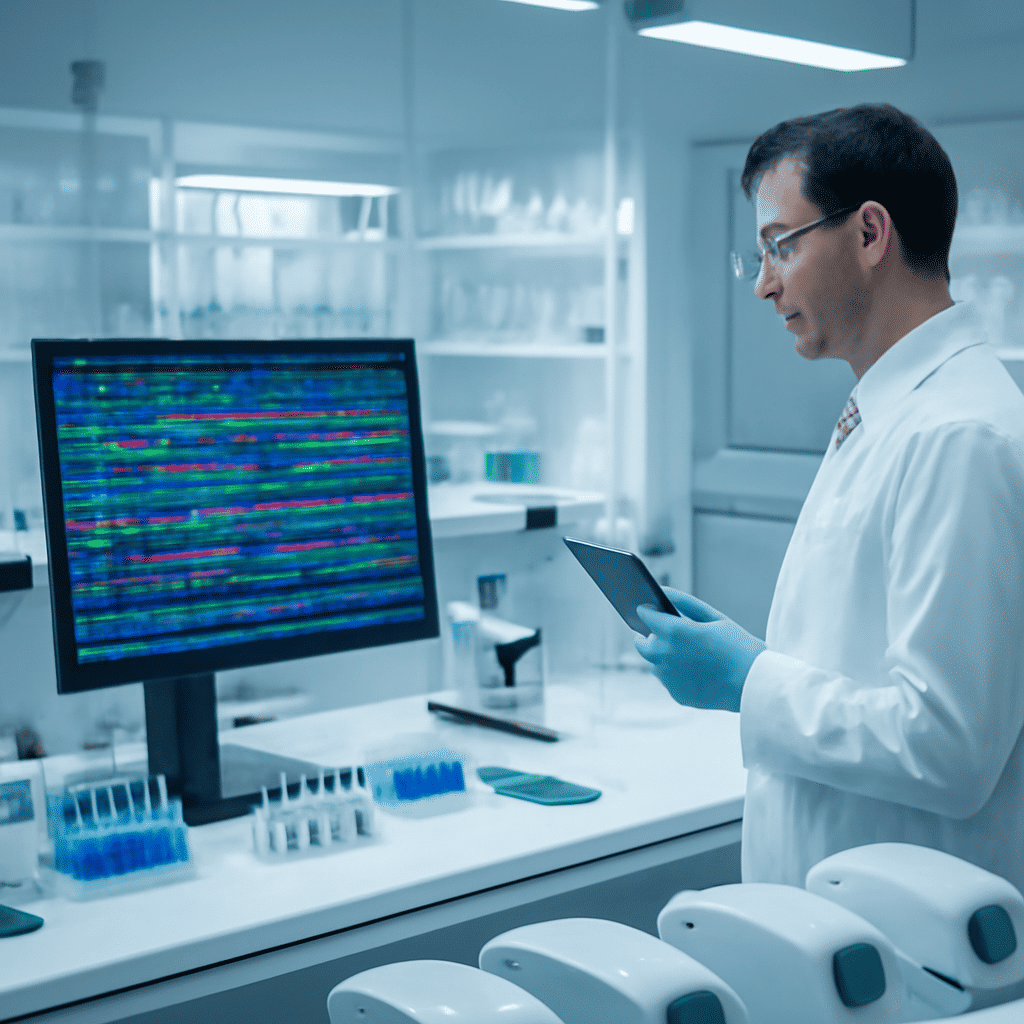
In recent years, biotechnology has emerged as a frontier of innovation, fundamentally transforming the healthcare landscape. At the core of this transformation lies the potential of biotechnological applications to advance genetic research and therapies, promising a new era of personalized medicine, targeted treatments, and improved patient outcomes.
One of the most groundbreaking advancements in biotechnology is the development of CRISPR-Cas9 technology. This revolutionary gene-editing tool allows for precise modifications to the DNA of living organisms, providing researchers the ability to correct genetic defects with unprecedented accuracy. Diseases once deemed incurable, such as certain genetic disorders, are now being actively targeted by gene therapy approaches. For example, CRISPR technology is being used to explore treatments for conditions like sickle cell anemia and cystic fibrosis, where faulty genes are corrected at the molecular level.
Another significant development in the field is the explosion of research around personalized medicine. Thanks to advancements in genomic sequencing, healthcare providers can now analyze an individual's genetic makeup to tailor treatments specifically for them. This customization means that therapies can be more effective and have fewer side effects, improving the overall quality of life for patients. For instance, cancer treatments are increasingly being developed based on the genetic profile of both the patient and the tumor, allowing for targeted therapies that attack cancer cells without damaging healthy tissue.
Biotechnological innovations are also making strides in combating infectious diseases. With the emergence of novel pathogens, the rapid development of vaccines has been made possible through techniques such as mRNA technology, which was instrumental in the swift creation of COVID-19 vaccines. This approach not only expedited vaccine development but also opened new avenues for tackling other infectious diseases, offering a blueprint for rapid response to future pandemics.
In addition to therapeutic applications, biotechnology is profoundly impacting preventative healthcare. The field of predictive genomics is enabling the identification of individuals at risk of developing certain diseases before symptoms appear. By understanding genetic predispositions, interventions can be implemented earlier, potentially preventing or significantly delaying disease onset. This proactive approach is transforming healthcare from a reactive to a preventative model, emphasizing wellness and early intervention.
However, with these advancements come ethical considerations and challenges. The power to edit genes and reshape biological systems raises questions about the moral implications of altering human DNA and the potential for unintended consequences. As biotechnology continues to progress, it is crucial for policymakers, ethicists, and scientists to engage in dialogues that balance innovation with responsibility.
Furthermore, access to these breakthrough treatments and technologies remains a critical issue. Ensuring equitable distribution and affordability of cutting-edge biotechnological therapies is essential to prevent widening the gap between different socioeconomic groups.
Biotechnology is undoubtedly revolutionizing healthcare by advancing our understanding of genetics and developing sophisticated therapies. As we continue to explore the vast potential of these technologies, the promise of improved health and longevity becomes ever more attainable. The challenge now lies in harnessing this potential responsibly, ensuring that the benefits of this biotechnological revolution are accessible to all.